Bubble Shooter Rainbow
- 4.7
- Rating
- 100.00M
- Installs
- Free
- Price
 Analysis by App-foxy
I usually know within the first few sessions whether a puzzle game is going to become a useful little habit or disappear from my phone after a weekend. Bubble Shooter Rainbow made a good first impression because it gives me a familiar kind of play without demanding a long explanation. I can pick it up, aim, match bubbles, and put it down again when I have only a few spare minutes. That simplicity is its biggest strength, but it also creates the main question: once the novelty of colorful levels fades, is there enough here to keep returning?
This is a free puzzle game from Blackout Lab, aimed at Everyone and available for devices running Android 7.1 or later. Its broad audience is easy to understand. The controls are approachable, the objective is visible almost immediately, and the short-session format suits people who want a casual distraction rather than a large game to study. At the same time, the game is not trying to replace a deep strategy title. I see it more as a dependable pocket activity, especially for waiting rooms, commutes, or the few minutes before bed.
What the first week feels like
The opening appeal comes from the directness of the play. I do not need to learn a character build, remember a complicated map, or manage a large collection of equipment. The central action is about choosing an angle and sending a bubble toward a matching group. That makes the first session comfortable even for someone who rarely plays mobile games. The bright presentation also helps the game feel lighter than a more serious puzzle experience.
You May Also Like

 Pandora - Music & Podcasts
Pandora’s Music Is Easy to Start, but Harder to Recover
Pandora’s strength is its low-effort path from a seed to a station. Its weak spot is how much confidence it asks you to place in connection, setup, and quiet recovery.

 8 Ball Pool
 Is Built on Rivalries, Rematches, and Routine
A close look at the rivalries, rematches, shared routines, and unanswered safety questions that turn a quick pool match into a persistent mobile community.

 Samsung Music
’s Quiet Strength Is Playing What You Already Own
Its reach comes less from spectacle than from dependable access to a personal library. That simplicity is both the app’s strongest retention engine and its ceiling.

 AccuWeather: Weather Radar
AccuWeather Review: A Quick, Clear Forecast for Everyday Decisions
For everyday plans, the best forecast is the one you can understand quickly. AccuWeather makes rain timing, radar, and local conditions easy to act on, with a few trade-offs.

 Hill Climb Racing
Why Hill Climb Racing Still Turns Crashes Into One More Run
A tiny car, a bumpy hill and one more upgrade: Hill Climb Racing keeps resurfacing because its simple chaos makes every near-miss feel personal.

 AliExpress - Shopping App
AliExpress Makes Global Shopping Feel Personal, but Shoppers Bear the Risk
AliExpress turns a global marketplace into a pocket-sized discovery engine. Its reach is useful, its shopping loop compelling, and its trade-offs easy to miss.
More From Our News Desk
View All News


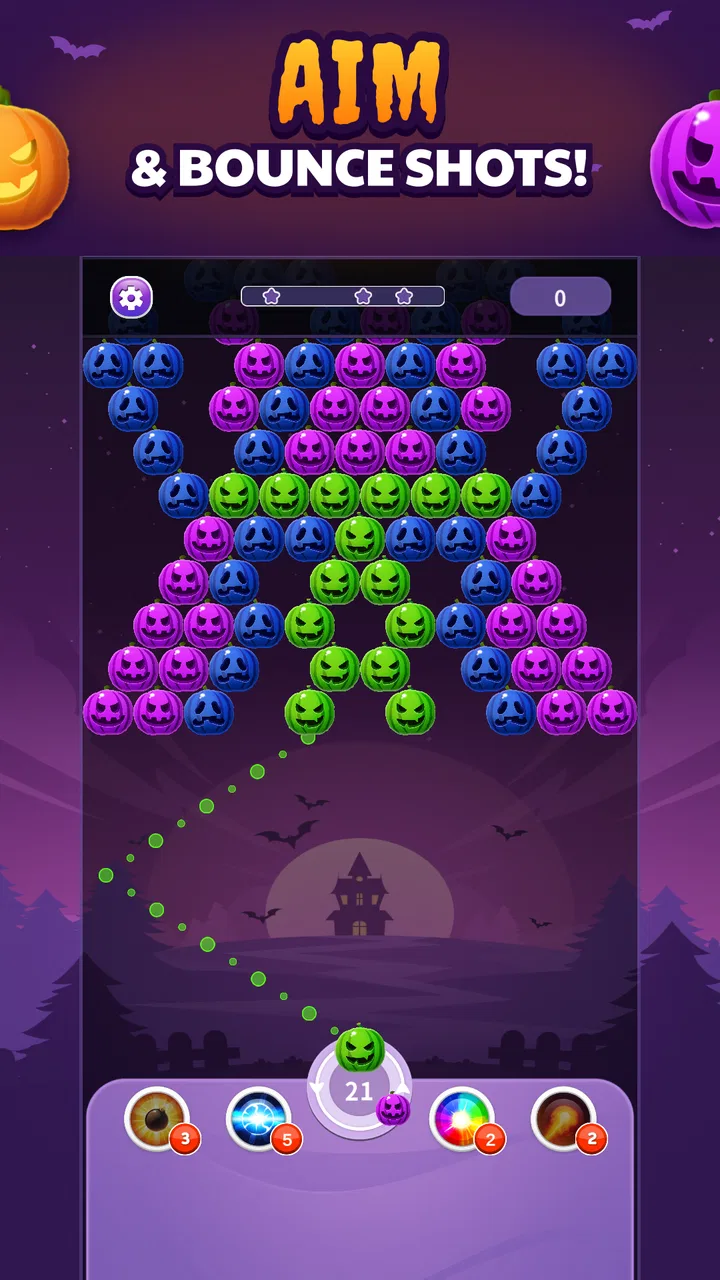
What I appreciate most during the first week is the way the basic rule leaves room for small decisions. A shot is not only about hitting the nearest matching color. I can look for a banked angle, remove a supporting group, or create a chain that clears more of the board than a direct hit would. Those choices are simple, but they give the game more texture than tapping randomly until something disappears.
The best early habit is to pause before every shot. Because the board is usually readable at a glance, I can compare an immediate match with a setup move that may open a better route later. This is one of the first useful lessons the game teaches without explaining it directly: a shot that looks less rewarding can be stronger if it changes the structure of the board.
I also recommend paying attention to the next available bubble rather than focusing only on the current one. That small adjustment makes the game feel more deliberate. If I spend the current shot clearing a color that will not help the next turn, I may leave myself with an awkward position. Planning one move ahead is enough to improve consistency without turning a casual game into homework.
The first-week experience is particularly suitable for players who enjoy recognizable rules with gradually increasing pressure. It is not the kind of puzzle where I need to discover a hidden system before I can have fun. Instead, the satisfaction comes from improving my aim and noticing better opportunities. Someone who wants immediate action, a story, or a competitive multiplayer environment will probably find the experience too quiet.
One practical advantage is how easy it is to fit into ordinary interruptions. I can play a little while waiting for food, during a short break, or when I want something more active than scrolling. A level-based puzzle also gives me a natural stopping point, which is useful when I do not want an app to consume an entire evening. That makes its first-week appeal feel less like a novelty trick and more like a convenient routine.
Still, the first few days can make the game seem more varied than it feels later. New players are learning the aiming rhythm, discovering how groups react, and becoming familiar with the way the board is arranged. Once those basics settle, the experience depends heavily on whether I enjoy repeating the same type of decision with different layouts. The game earns its initial attention quickly, but the longer judgment depends on repetition.
Small decisions matter more than fast tapping
I found that accuracy is not the only skill worth developing. It is often better to use the sides of the play area to reach a difficult group than to fire directly into a crowded section. A bank shot can also preserve a useful position for the following turn. This is a concrete reason not to rush: the game rewards reading the whole board, not simply reacting to the most obvious color.
Another helpful approach is to avoid clearing every small group immediately. Sometimes leaving a manageable cluster in place creates a better target for the next bubble. That trade-off is easy to miss when the visual reward of a quick match is tempting. I enjoy this because it gives familiar mechanics a little more planning, although players looking for a purely mindless activity may prefer not to think about it so much.
When a level becomes awkward, I try to identify the real problem before spending any resource or making repeated attempts. Often the issue is not bad luck but an early shot that blocked the useful angle. Restarting mentally from that mistake is more valuable than simply firing faster. This habit carries over well from one level to the next and is one of the few ways the game can feel meaningfully skill-based over time.
Whether it still earns attention after the novelty
After the first month, the important question is no longer whether the controls work. They do. The question is whether the puzzle loop remains satisfying when I already understand it. For me, the answer is conditional. The game keeps its place when I want a calm, familiar challenge that can be completed in short bursts. It loses some appeal when I am looking for new rules, a strong narrative, or a sense of long-term progression beyond solving the next board.
The game’s large audience suggests that this compact format works for many people: it has passed 100 million installs and carries an average rating of 4.7 from around 727 thousand ratings. Those figures do not guarantee that it will suit every player, but they do reflect how accessible the central idea is. I would not interpret them as proof of deep variety. They are better understood as evidence that the straightforward bubble-shooting format has broad everyday appeal.
Month to month, I see the strongest value in routine rather than discovery. If I enjoy keeping a small puzzle game available for idle moments, this one can remain useful because it asks very little preparation. I can return after several days without needing to remember a story or rebuild a strategy. That low memory requirement is a real advantage compared with puzzle games that become difficult to resume after a break.
On the other hand, that same quality limits its staying power for players who need constant freshness. The basic action remains the center of the experience, so the game does not transform into a different genre as I continue. If I already own several bubble shooters, the decision becomes less about whether this format works and more about whether this particular presentation and level flow feel better than the alternatives I have tried.
I would keep it installed for a family member who wants an easy game to understand, or for a person who likes filling short gaps in the day with gentle concentration. I would not recommend it as the only puzzle game for someone who wants increasingly complex systems. A match-three game may offer more board manipulation, a word game may provide more mental variety, and a physics puzzle may reward experimentation in ways this title does not.
The free entry point is important to its month-to-month value. I can try the core experience without committing money, while optional in-app purchases range from $0.99 to $99.99 per item. That wide span makes it sensible to decide in advance how I want to use the game. If I treat it as a casual pastime, I can simply enjoy the free access and avoid turning a moment of frustration into an impulse purchase.
My practical rule is to wait before buying anything after a difficult level. If I still want the same help after closing and reopening the game another day, then I can make a calmer decision. This is especially useful in a puzzle game, where the desire to overcome one stubborn board can feel stronger than the actual long-term value of the purchase. The game is more enjoyable when I stay in control of that boundary.
The routine that works best
I get the most value by using it as a deliberate short break rather than an automatic default. For example, I might play a few levels after finishing a task, then stop when I notice that I am no longer considering shots and am simply tapping through them. That stopping signal matters. Once attention drops, the game becomes less relaxing and more repetitive.
It also helps to separate improvement sessions from relaxation sessions. When I want to improve, I focus on angles, future bubbles, and the consequences of clearing support groups. When I only want to unwind, I accept that I may play less efficiently. Mixing those goals can create unnecessary frustration, because a casual game feels unpleasant if I judge every mistake as a failure.
The current version is 2.92.1, which makes the game feel like an established product rather than a brand-new experiment. I still recommend checking the version available for the device before installing, particularly on an older phone, because compatibility matters more than the game’s simple controls might suggest. Its minimum operating-system requirement is Android 7.1, so it is accessible to a fairly wide range of Android users.
Maintenance, friction, and reasons to leave
The maintenance burden is low in the sense that I do not need to build a complicated account routine or study a large ruleset. The game is easy to resume, and its basic controls remain familiar. That makes it less demanding than many free-to-play games that expect daily management. I can ignore it for a while and return without feeling that I have fallen behind a larger community.
There is still a different kind of maintenance: managing my patience. A bubble shooter can become repetitive when the board presents variations on the same central task for too long. I need to take breaks before the familiar loop turns into irritation. This is not a flaw unique to this title, but it is particularly noticeable here because the simplicity that makes the game approachable also leaves fewer layers to distract me from repetition.
Another source of friction is the possibility of wanting assistance when a level resists several attempts. That is where free-to-play design can test my self-control. I prefer to treat any purchase as optional convenience rather than a requirement for enjoying the game. If I find myself repeatedly considering payment only because I am annoyed, that is a good sign to stop playing for the day instead.
The age rating of Everyone makes the game suitable for a broad audience, including players who want something uncomplicated to share with younger family members. Even so, I would still explain the purchase model to a child before handing over the device. A simple game can be easy to understand, but the presence of optional purchases means the person using it should know that the free experience and paid choices are separate decisions.
Fatigue usually arrives in three situations. First, I lose interest when I play for too long in one sitting. Second, I become less patient when several attempts feel similar without teaching me anything new. Third, the game feels less compelling if I have recently played another bubble shooter with more unusual objectives or stronger progression. Recognizing those situations helps me judge the app fairly instead of blaming it for not being a different kind of puzzle.
I would skip it if I need a game that rewards deep mastery over many months, offers a rich story, or gives me a large social reason to return. I would also look elsewhere if I dislike aiming mechanics, because the central pleasure depends on lining up shots and reading trajectories. People who prefer logic grids, word construction, or open-ended physics challenges may find better long-term stimulation in another puzzle category.
For everyone else, the trade-off is clear. This is a low-friction game with a familiar loop, not an endlessly expanding hobby. Its lasting value comes from convenience, readability, and the satisfaction of making a good shot. It does not come from dramatic reinvention. That distinction is important when deciding whether it deserves permanent space on a phone.
How it compares with familiar alternatives
Compared with match-three games, this one gives me more direct control over each move but usually less freedom to rearrange the board. Compared with word puzzles, it relies more on visual timing and spatial judgment than vocabulary. Compared with physics-based puzzle games, it offers a clearer repeatable structure and less experimentation. I choose it when I want the rules to stay stable and my attention to go toward one precise action.
Those comparisons also show where another option may be better. A match-three game is preferable when I want cascading combinations and several ways to manipulate a position. A word game is better when I want mental variety that does not depend on aiming. A physics title is more rewarding when I enjoy testing unusual solutions. Bubble Shooter Rainbow sits between relaxation and light concentration, and it works best when that middle ground is exactly what I want.
My long-term verdict is positive but measured. I would recommend installing it for anyone who wants a free, approachable puzzle game for short sessions and enjoys the particular satisfaction of planning bubble shots. I would not promise that it will remain a permanent favorite for every player. Its design has enough practical value to survive the first-week novelty, but its repeated structure means I need to manage session length and expectations.
In my experience, it earns lasting space when I use it as a small, controlled habit: a few thoughtful levels, a break when the decisions stop feeling interesting, and no rushed purchases made to defeat a frustrating board. That approach lets the game’s strengths stay visible. It is colorful, accessible, easy to resume, and pleasantly focused. If that sounds like the kind of entertainment you want, Bubble Shooter Rainbow is a sensible free download. If you need constant novelty or deeper systems, I would choose a different puzzle game and keep this one as an occasional alternative rather than a daily commitment.
FAQs for Bubble Shooter Rainbow
01What is Bubble Shooter Rainbow?
Bubble Shooter Rainbow is a colorful and engaging puzzle game available for both Android and iOS devices. Players aim to pop groups of bubbles by matching three or more of the same color. With its vibrant graphics and addictive gameplay, it offers various levels and challenges to keep users entertained.
02How do I play Bubble Shooter Rainbow?
In Bubble Shooter Rainbow, you control a bubble shooter to aim and fire bubbles towards clusters of the same color. The goal is to clear the board by matching three or more bubbles. Use strategic angles and power-ups to progress through increasingly difficult levels.
03Are there in-app purchases in Bubble Shooter Rainbow?
Yes, Bubble Shooter Rainbow includes in-app purchases. Players can buy coins and boosters to enhance their gameplay experience. While the game is free to download and play, these purchases can help in overcoming challenging levels more easily.
04Does Bubble Shooter Rainbow require an internet connection?
No, Bubble Shooter Rainbow does not require a constant internet connection to play. However, certain features like accessing the leaderboard or making in-app purchases will need connectivity. This makes it a great option for offline entertainment.
05Is Bubble Shooter Rainbow suitable for all ages?
Bubble Shooter Rainbow is designed to be family-friendly and suitable for all ages. Its simple mechanics and colorful design make it appealing to both children and adults. The game is easy to understand, providing fun for casual gamers and puzzle enthusiasts alike.
Pros
- Engaging and colorful graphics.
- Smooth and responsive controls.
- Wide variety of levels and challenges.
- Free to play with optional purchases.
- Suitable for all ages.
Cons
- Contains ads between levels.
- In-app purchases can be pricey.
- No offline mode available.
- Limited power-ups without purchases.
- Repetitive music and sounds.

Bubble Shooter Rainbow
Gallery